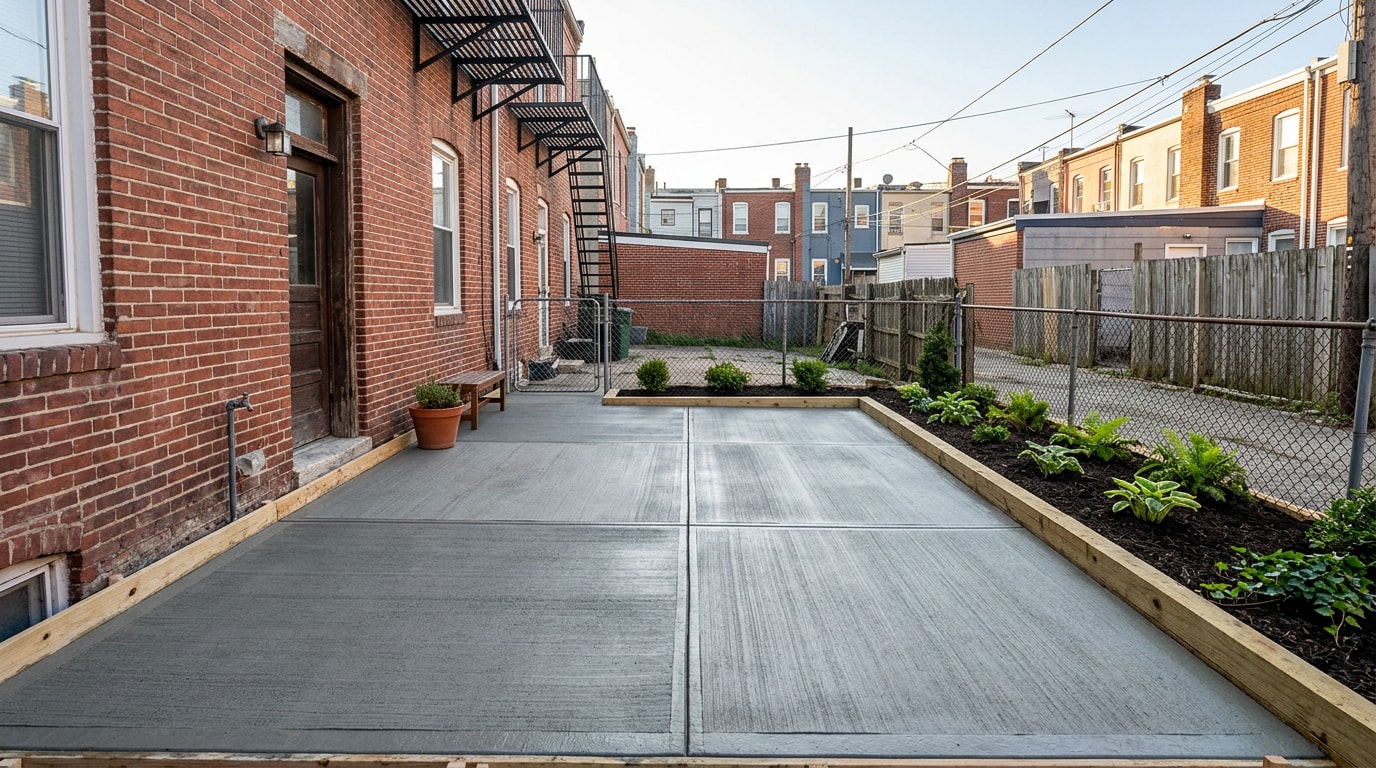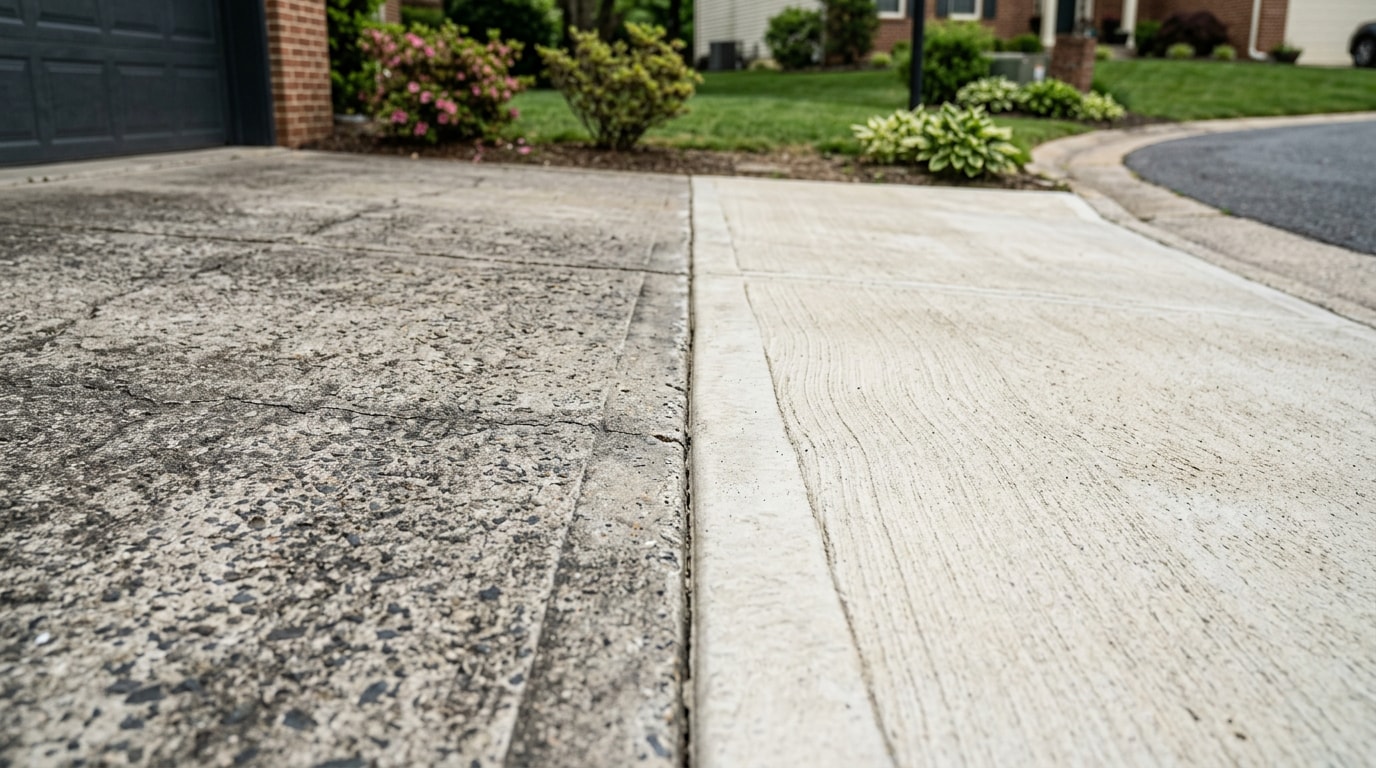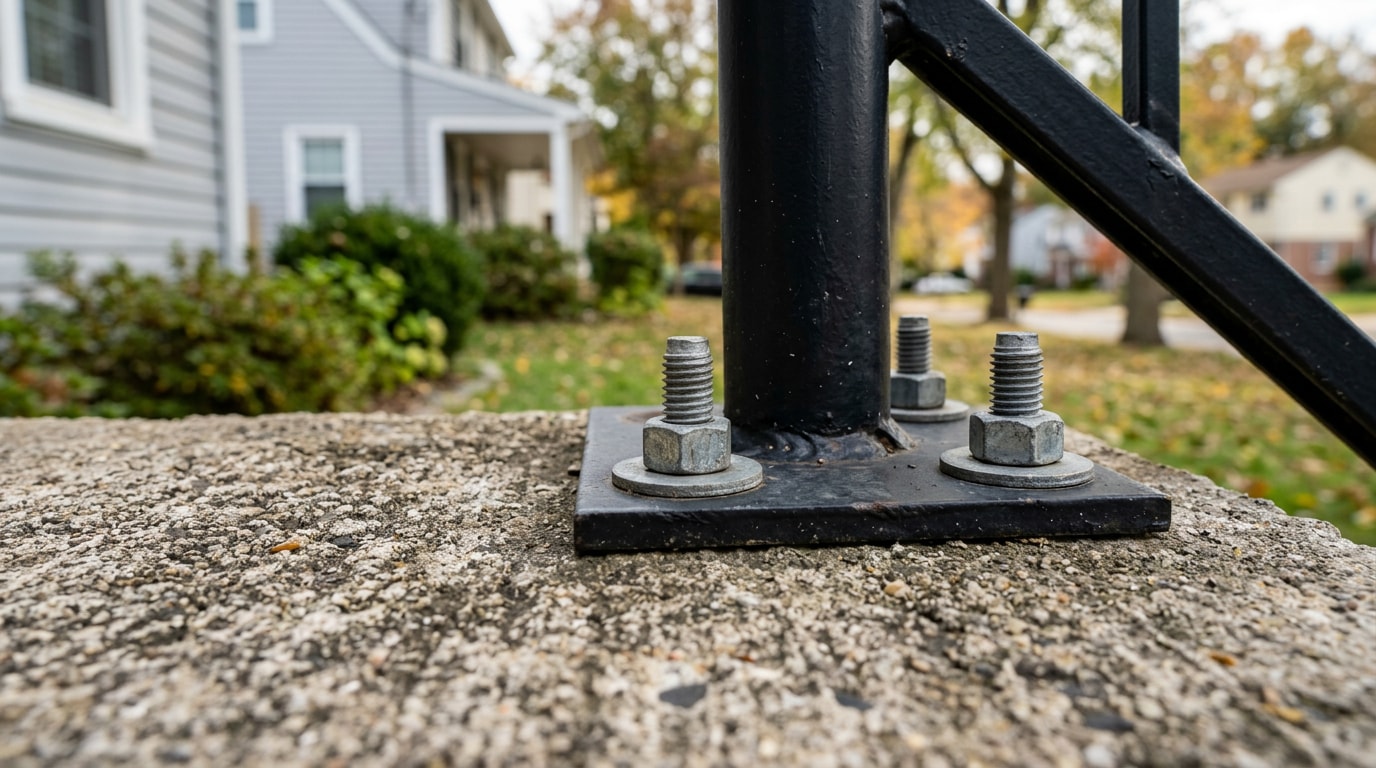
The types of concrete anchors available to Anne Arundel County homeowners and contractors range from simple masonry screws to structural epoxy systems, and picking the wrong one can mean a failed deck ledger or a cracked slab edge. From a railing on a waterfront home in Annapolis to a shelving bracket in a Glen Burnie garage, the right anchor depends on the concrete itself, the load it carries, and whether the connection ever needs to come apart. Here's how each type works, where it belongs, and how to match one to your project before you drill.
What Are Concrete Anchors? Definitions and How They Work
A concrete anchor is a fastener engineered to transfer structural load into solid masonry or concrete, something a standard wood screw or sheet-metal bolt cannot do, since concrete has no fibers for ordinary threads to grip. Anchors solve this by relying on mechanical expansion, chemical bonding, or direct thread-tapping into a pre-drilled hole.
Mechanical expansion anchors use a clip, sleeve, or cone that wedges outward against the sides of the drilled hole as the fastener is tightened, creating friction-based holding power. Adhesive anchors use an injected epoxy or resin that cures around a threaded rod or rebar, bonding chemically to the concrete rather than relying on pressure. A third approach, thread-tapping, cuts its own threads directly into the hole wall, similar to how a wood screw bites into lumber.
Nearly every anchor on the market falls into one of two broad categories: post-installed anchors, which go into hardened concrete after the fact, and cast-in-place anchors, which are set into the concrete while it's still wet. The breakdown below covers both, starting with the post-installed types homeowners and contractors encounter most often.
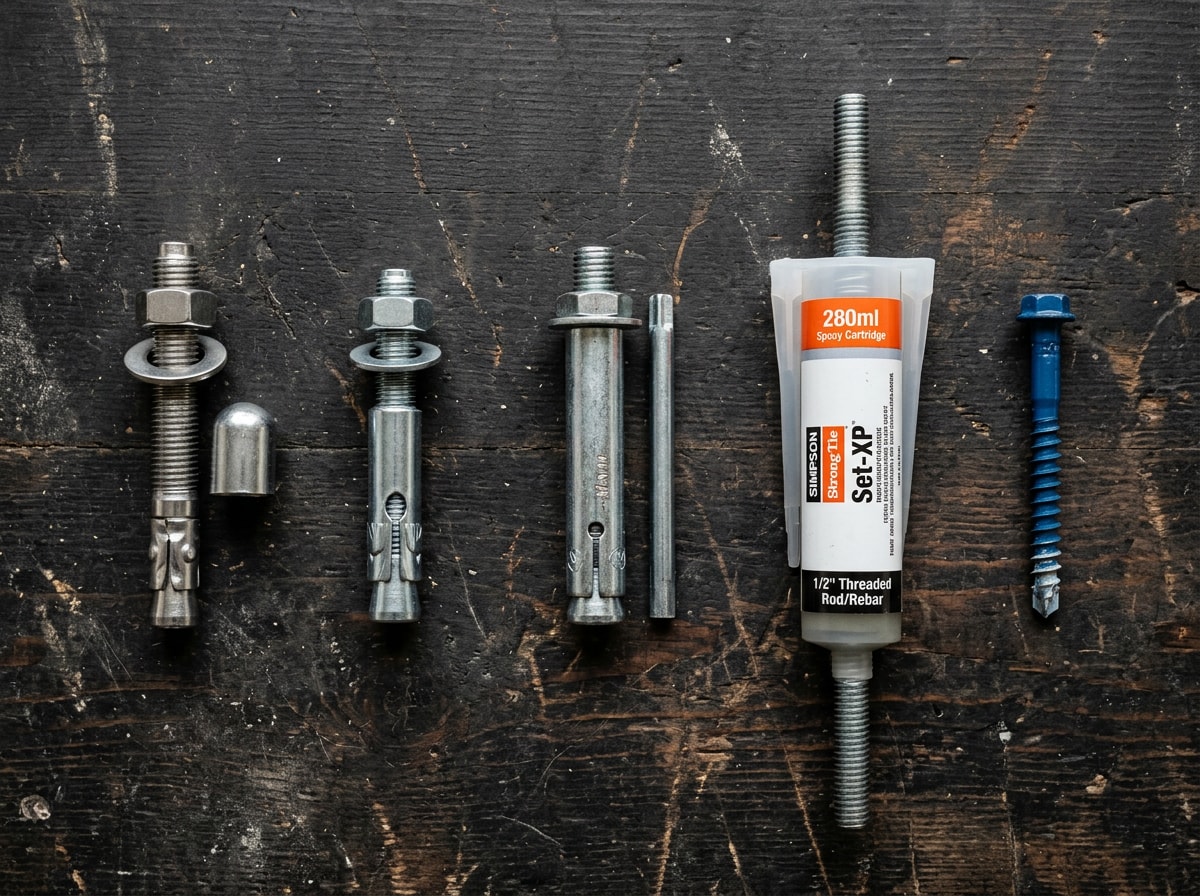
Types of Concrete Anchors
Each anchor type trades off strength, removability, and base-material flexibility differently. The list below moves from heavy-duty mechanical anchors through adhesive and cast-in-place options, so you can match your project to a category before working through the selection guide further down.
Wedge Anchors
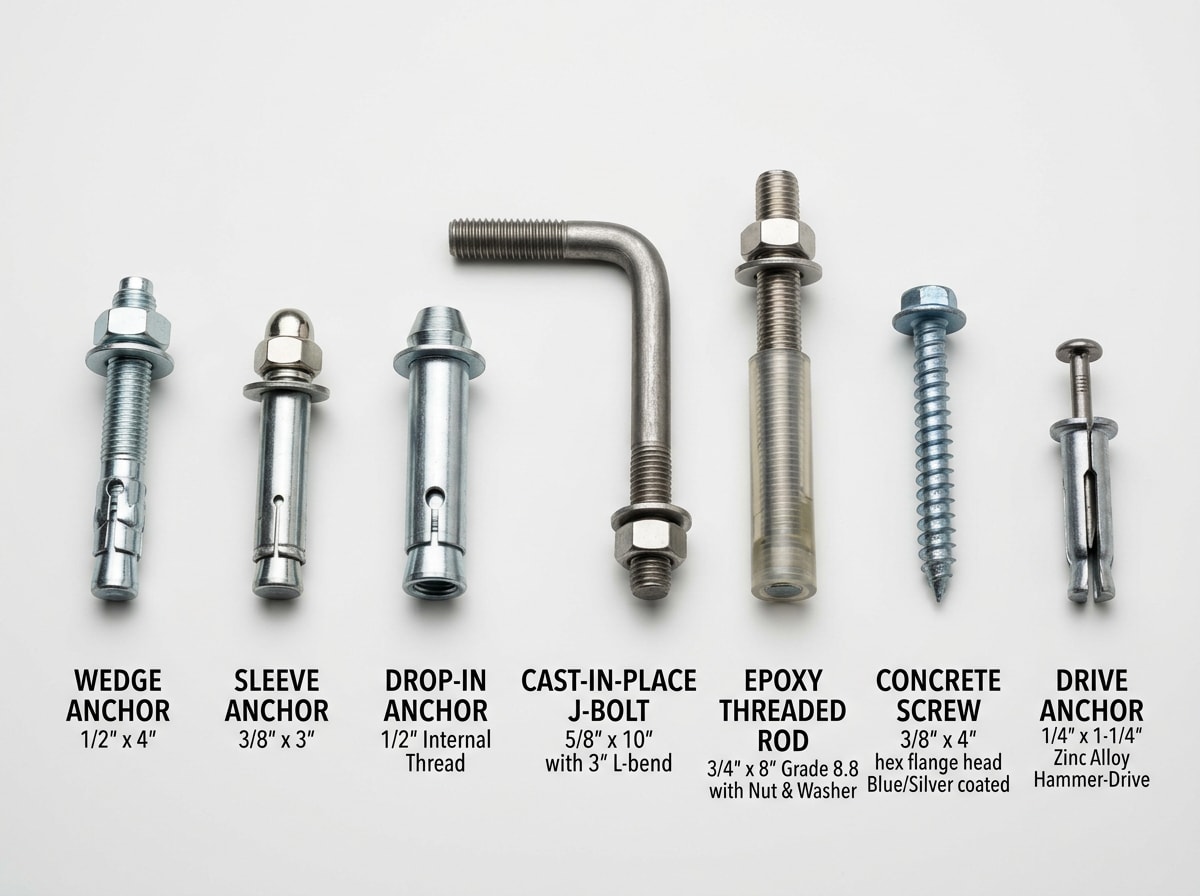
Wedge anchors use an expansion clip near the tip that pulls up against a cone-shaped plug as the nut is tightened, locking the anchor against the sides of the hole. They typically run from 1/4-inch to 1-inch in diameter and require solid concrete; they won't perform reliably in hollow block or brick. Once set, a wedge anchor is generally considered permanent and isn't meant to be removed and reinstalled.
Wedge anchors and drop-in anchors are the most popular choices for concrete anchor applications, due to their simplicity and effectiveness , and that reputation isn't just marketing. Mechanical anchor manufacturers test wedge anchors under criteria where AC193 is acceptance criteria for evaluating the performance of mechanical and screw anchors in cracked or uncracked concrete , which is why load tables differ so much between products, and why embedment depth and torque spec have to be followed exactly. You can review the ICC-ES evaluation program directly through its official listing of anchor acceptance criteria.
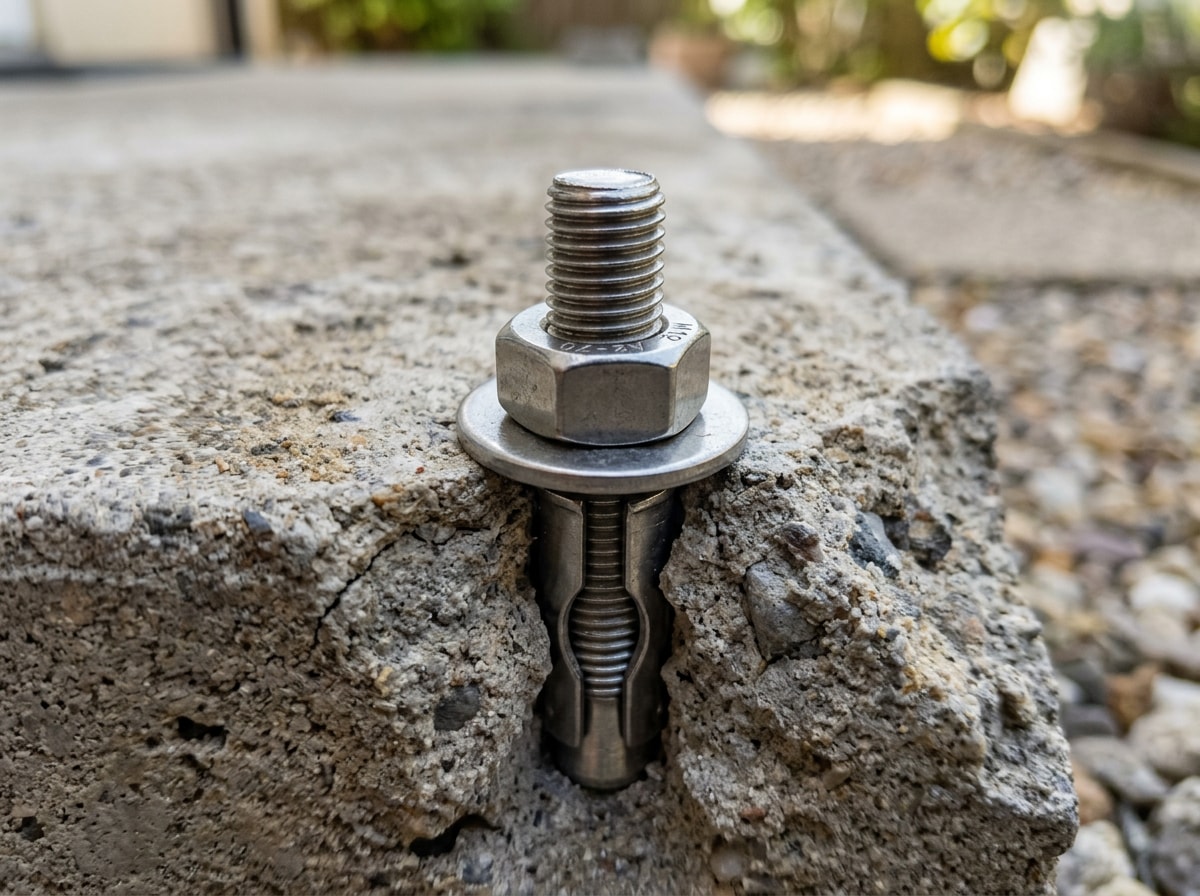
Sleeve Anchors
A sleeve anchor surrounds the bolt with an expanding metal sleeve that compresses against the hole as it's tightened, rather than relying on a single expansion clip. That design lets sleeve anchors work in brick and block as well as solid concrete, which is where they outperform wedge anchors on versatility, even though their overall holding capacity is typically lower.
They come in several head styles, including hex, flat, acorn, and round, making them a flexible choice for medium-duty masonry anchors like railings, light fixtures, and signage mounts.
Drop-In Anchors
Drop-in anchors are internally threaded, flush-mount fasteners set with a setting tool that expands a bottom sleeve once the anchor is seated at the correct depth. Because the finished anchor sits flush with the concrete surface, they're a common pick for overhead anchoring: pipe hangers, suspended ceiling grids, and conduit supports where a protruding bolt head would get in the way.
Installation takes a bit more technique than a standard wedge anchor, so many property owners bring in a specialist for larger jobs. If you'd rather not DIY the setting-tool step, our concrete repair team can handle sizing, depth, and torque for you.
Cast-in-Place Anchors (L-Bolts & J-Bolts)
Cast-in-place anchors differ from everything above in one key way: they're set into the concrete while it's still wet, rather than drilled in after the slab cures. J-bolts and L-bolts are the most familiar shapes, named for the hook at the embedded end that locks them into the hardened concrete.
These anchor bolts in poured concrete are common for baseplate mounting on new structures and for outdoor or roadside fixtures like sign posts and light poles, where the anchor layout is known before the pour. Because they require planning ahead of the concrete work, they're less useful for retrofit projects than the post-installed types above.
Adhesive / Chemical Anchors
Adhesive anchors inject a two-part epoxy or resin into a drilled hole, then set a threaded rod or piece of rebar into the bonding agent before it cures. Unlike mechanical anchors, there's no expansion pressure pushing against the concrete, which makes chemical anchors a strong option near edges or in concrete that's already cracked.
Common uses include rebar doweling for structural connections, overhead installs where vibration could loosen a mechanical anchor over time, and close-edge-distance applications where a wedge anchor's expansion force risks spalling the concrete. The tradeoff is cure time: epoxy anchors need to sit undisturbed for a manufacturer-specified window, sometimes several hours, before any load is applied.
Concrete Screws (Masonry Screws)
Concrete screws, often called Tapcon-style anchors, cut their own threads directly into a pre-drilled pilot hole instead of expanding against it. Because there's no expansion force involved, they can typically be installed closer to an edge or to another fastener than a comparable wedge or sleeve anchor without risking a crack.
They're also one of the few removable concrete anchor options. A masonry screw can be backed out and reinstalled in the same hole a few times before the threads wear, which makes them popular for electrical boxes, furring strips, and anything that might need future adjustment.
Drive Anchors (Strike Anchors)
Drive anchors expand through impact rather than torque: a hammer drives a pin or nail down through the center of the anchor body, forcing it to expand against the hole. They're a light-duty option suited to furring channels, conduit clips, and sole plates rather than any load-bearing connection.
Because they set with a hammer blow instead of a measured torque wrench, strike anchors offer less precision over final holding strength, so they're best reserved for lighter, non-structural fastening.
How to Choose the Right Concrete Anchor for Anne Arundel County Conditions
Picking an anchor comes down to three questions: what condition is the base material in, does the connection need to be removable, and what environment will the anchor face over time. Freshly poured concrete can accept cast-in-place hardware, while existing slabs call for a post-installed type matched to whether the concrete is cracked or uncracked. Hollow block generally rules out wedge anchors and points toward sleeve anchors or adhesive systems instead.
Permanence matters too. A temporary display bracket is a poor match for a wedge anchor that's difficult to remove, while a structural guardrail post shouldn't rely on a masonry screw rated for lighter loads.
Local climate is part of the equation, and this is where a lot of generic anchor guides fall short. Anne Arundel County's own residential building code reference lists a frost line depth of 30 inches , and the county's weathering classification is rated severe. That combination of deep frost penetration and repeated freeze-thaw cycling is exactly what produces hairline cracking in exterior slabs over the years, which changes which anchor category you should reach for on an older patio or porch versus a slab poured last summer.
Here's how that plays out in practice. Imagine mounting a handrail on an exterior porch slab that's several years old. It likely has some hairline cracking from seasonal freeze-thaw movement, and the railing is a life-safety connection that can't loosen over time. That combination, existing concrete, possible cracking, and a permanent structural load, points toward an adhesive anchor or a wedge anchor rated for cracked concrete, not a lighter-duty screw or drive anchor. If that same slab is old enough that you're considering a full replacement rather than patching around it, our guide on pouring concrete over an existing slab covers when a resurface makes more sense than working around the cracks.
Anchor design strength in these scenarios isn't arbitrary; it's governed by published engineering criteria. ACI 318, the building code most anchor design is built around, provides minimum requirements for the materials, design, and detailing of structural concrete buildings and, where applicable, nonbuilding structures , including how edge distance, spacing, and concrete condition factor into an anchor's rated capacity. If you're unsure which category your property falls into, a concrete contractor serving Glen Burnie and Anne Arundel County can confirm what the slab can support before you commit to hardware. You can also get a free estimate if you'd rather have someone assess the slab in person before you buy anchors.
Side-by-Side Comparison of Concrete Anchor Types
The table below pulls together load capacity, base-material compatibility, and removability for every type covered above, so you can scan one row instead of re-reading each section.
| Anchor Type | Relative Load Capacity | Base Material | Removable? | Best Application |
|---|---|---|---|---|
| Wedge Anchor | High | Solid concrete only | No | Structural, heavy-duty mounts |
| Sleeve Anchor | Medium | Concrete, brick, block | No | General masonry fastening |
| Drop-In Anchor | Medium | Solid concrete | No (threaded insert is reusable) | Overhead, flush-mount |
| Cast-in-Place (J/L-Bolt) | High | Wet/poured concrete | No | Baseplates, outdoor fixtures |
| Adhesive/Chemical Anchor | High | Cracked or uncracked concrete | No | Rebar doweling, edge-distance work |
| Concrete Screw | Low to Medium | Solid concrete, block | Yes | Electrical boxes, furring |
| Drive Anchor | Low | Concrete, block | No | Light-duty, non-structural |
Material grade matters alongside anchor type. Threaded rod and bolt materials used in these systems are commonly specified against ASTM F1554, the standard that covers the chemical, mechanical, and dimensional requirements, and associated test methods for straight and bent, headed and headless anchor bolts used to anchor structural supports to concrete. A high load-capacity anchor installed with undersized or substandard rod material won't perform to its rated spec. For projects where getting this right matters, it's worth consulting a concrete contractor rather than guessing from a chart alone.
In our own fieldwork across Anne Arundel County driveways, patios, and porch slabs, the most common callback we see isn't a wrong anchor choice, it's a wrong hole. Dust left in the bottom of a drilled hole cuts holding power on every anchor type, mechanical or adhesive, which is why cleaning the hole before setting anything matters as much as picking the right fastener. If you're planning anchor work tied to a larger concrete project, our team at SEJ Paving handles everything from the slab itself to the finished connection.
FAQ
What are the different types of concrete anchors?
The main types of concrete anchors fall into four groups: mechanical expansion anchors (wedge, sleeve, drive), adhesive or chemical anchors, cast-in-place anchors like J-bolts and L-bolts, and self-tapping concrete screws. Each suits different load, material, and removability needs.
What's the difference between wedge anchors and sleeve anchors?
Wedge anchors need solid concrete and deliver higher load capacity, while sleeve anchors work in brick, block, and concrete thanks to their expanding-sleeve design. The wedge anchor vs sleeve anchor choice usually comes down to base material and how much strength the connection needs.
Can wedge anchors be used in hollow block or brick?
No. Standard wedge anchors are rated for solid concrete only and can crack or blow out hollow block or brick when tightened. For those base materials, use a sleeve anchor, concrete screw, or an adhesive anchor with a screen tube instead.
What are the strongest concrete anchors?
Adhesive and epoxy anchors and wedge anchors are generally rated highest for structural loads, since both can achieve strong holding power in solid, uncracked concrete. That said, proper installation, correct hole depth, cleaning, and cure time, matters as much as which anchor you pick.
How do I install a concrete anchor?
Most installations follow the same basic steps: drill a hole to the anchor manufacturer's specified diameter and depth, clear out the dust, insert the anchor, then set or tighten it according to its type. Exact steps vary between expansion, adhesive, and screw-type anchors.
Can I reuse a concrete anchor hole?
Expansion anchors like wedge and sleeve anchors generally can't reuse the same hole at the same size, since the concrete around it has already compressed. Concrete screws sometimes can be reinstalled in a slightly larger-diameter hole, but a fresh hole is usually the safer choice.