A concrete line pump in Pasadena, MD solves the one problem a ready-mix truck can't: getting concrete through a narrow gate, around a house, or into a backyard with no direct access. We run line pump placements for homeowners and contractors across Pasadena and the wider Anne Arundel County market, and the question we hear most is simple: will this actually reach my pour? Here's what the equipment does, what it needs from your site, and how to plan for it.
Visit SEJ Paving to see our services and request a free estimate.
Line Pump Rental and Placement in Pasadena
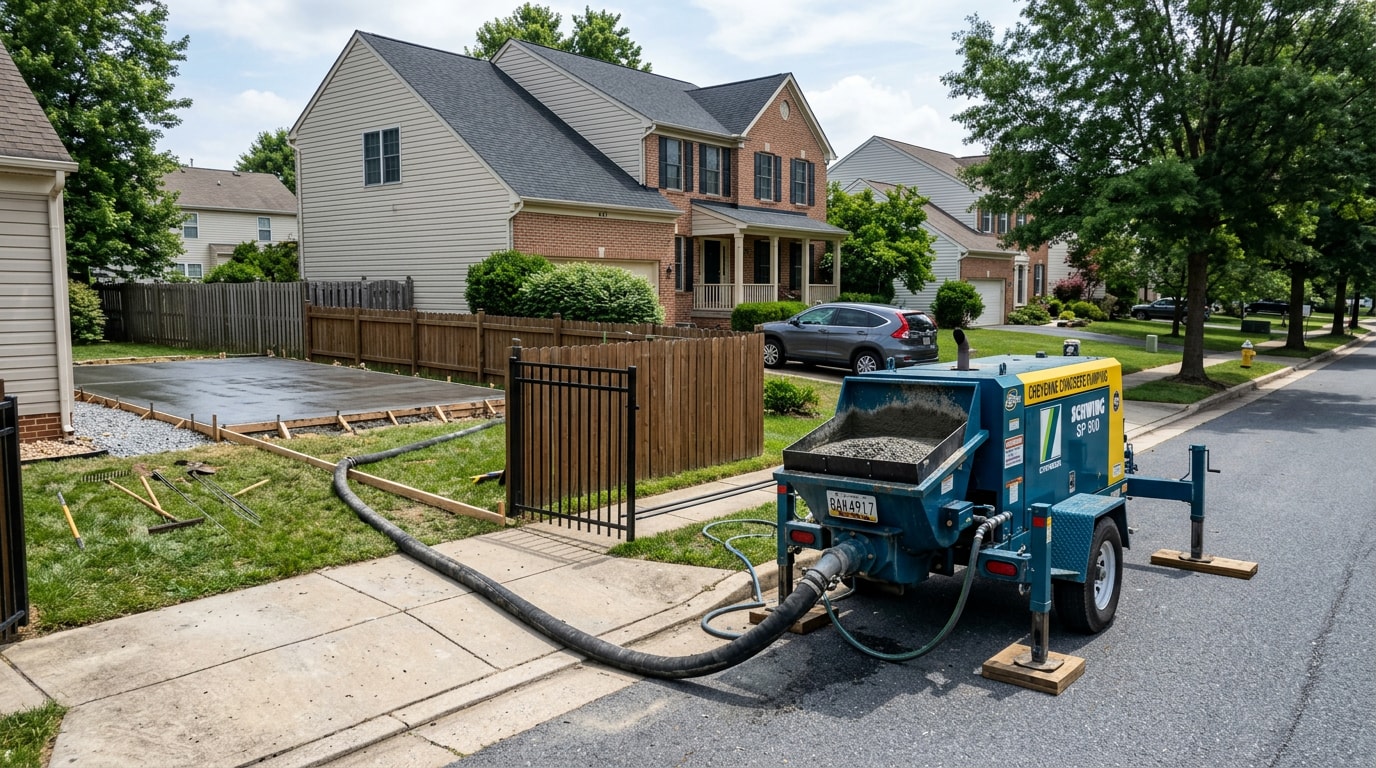
Our crews have placed line pump pours on tight Pasadena lots where the only way into the backyard was a 36-inch side gate, including jobs in neighborhoods along Lake Shore and Riviera Beach where rear-yard access is the norm, not the exception. In those cases, the ready-mix truck stays at the curb, hose runs through the gate, and concrete ends up exactly where the forms are.
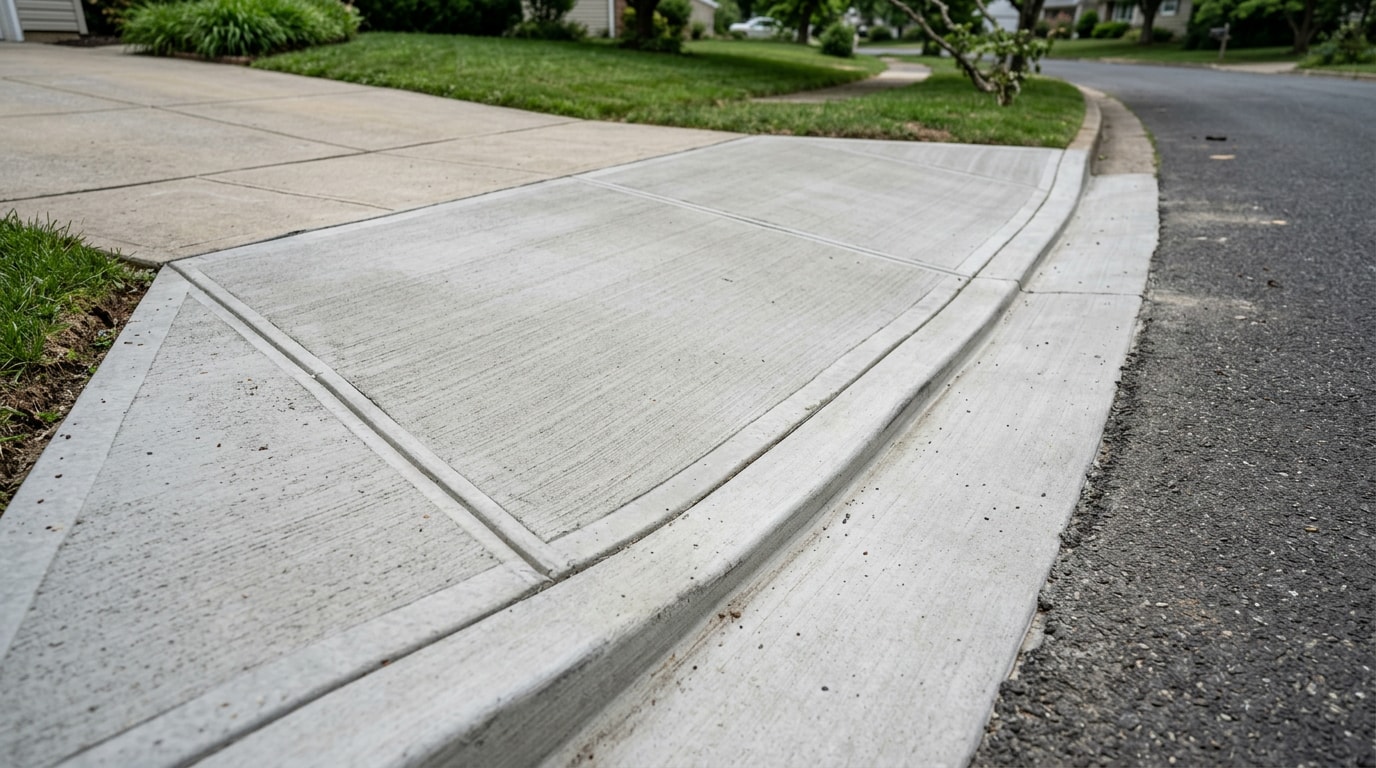
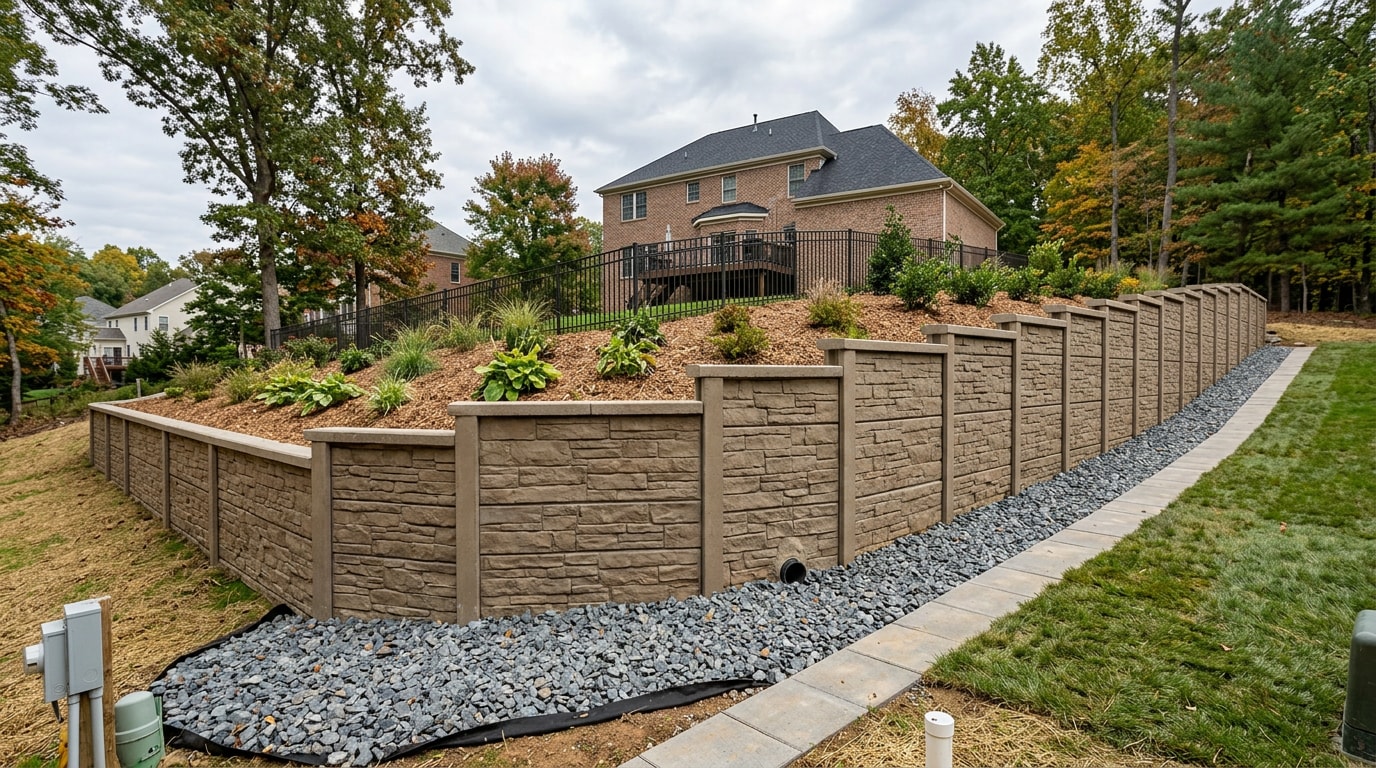
Line pump service covers both residential and commercial pours: foundations, driveways, sidewalks, patios, and slabs. It's built for sites where a boom truck won't fit or isn't worth the setup cost.
Browse our full concrete contractor services or see how we work throughout the Pasadena area and Anne Arundel County. Ready to plan a pour? Request a free estimate and tell us about your site.
What Is a Concrete Line Pump?
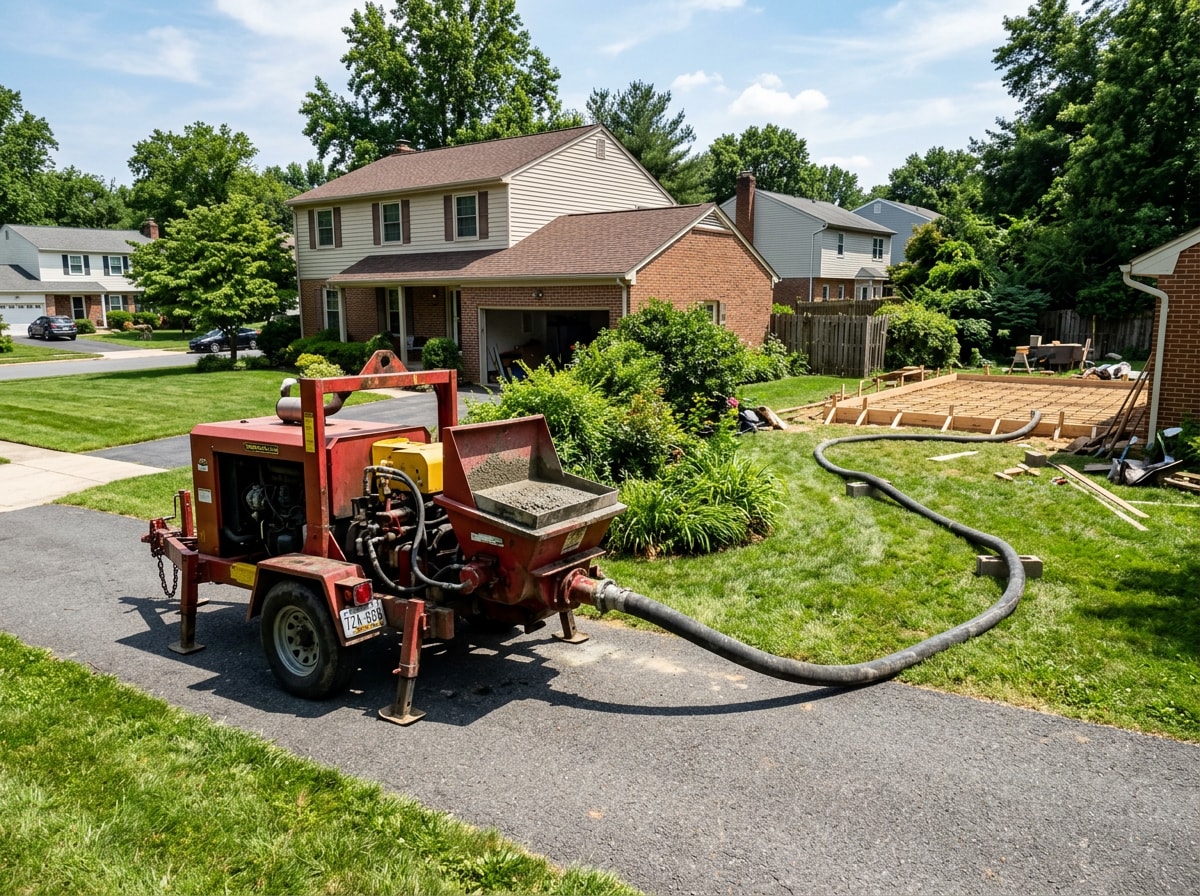
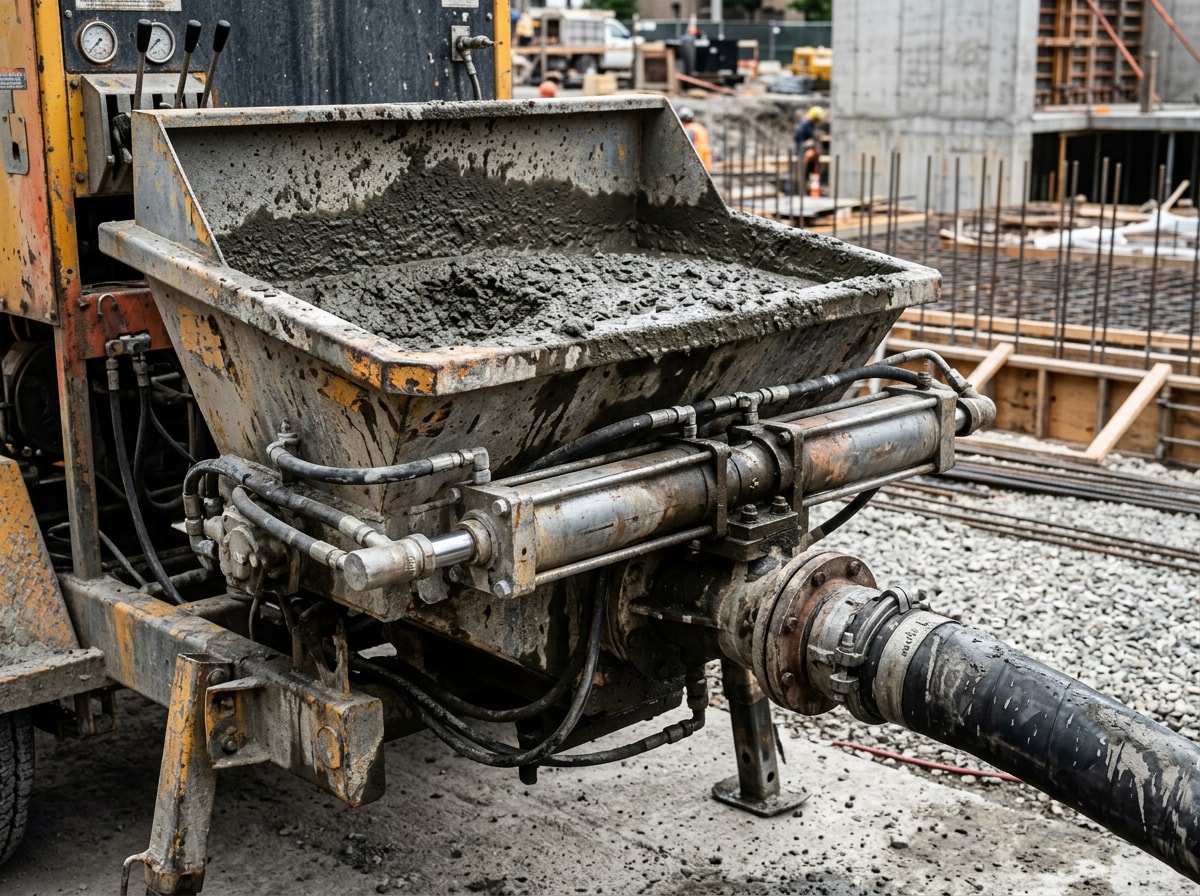
A concrete line pump is a self-contained concrete pump mounted on a trailer and towed to the jobsite, where it pushes concrete through flexible or rigid hose rather than through a truck-mounted boom arm. It's sometimes called a ground line pump, same equipment, different name.
There's no line pump equivalent to the large truck-mounted boom rig most people picture when they hear "concrete pump truck." A line pump is trailer-mounted, with no articulating arm.
That's the distinction that matters most when comparing equipment: a boom pump is truck-mounted with an arm that swings concrete over obstacles on its own, while a trailer-mounted concrete pump relies entirely on hose laid out by hand to get concrete where it needs to go. Neither is better in every situation, they're built for different jobs, covered in more detail below.
How Does a Line Pump Move Concrete?
A line pump alternates two cylinders that pull concrete from a hopper and push it through hose under pressure, with a valve switching between cylinders so flow stays steady instead of surging.
Here's the sequence on a typical pour:
- Concrete loads into the hopper, where an agitator keeps it moving and prevents it from settling or separating.
- One of the two pumping cylinders draws concrete in from the hopper while the other pushes its load out toward the hose line.
- A concrete valve switches back and forth between the cylinders, so output stays continuous rather than pulsing hard with each stroke.
- Concrete travels through the hose and out the end, where the crew places it directly into the form.
How Far Can a Concrete Line Pump Reach?
A line pump can typically move concrete several hundred feet horizontally along the ground, but far less vertically, because pushing concrete upward means fighting the weight of the entire column of concrete already in the line. Horizontal runs are comparatively easy; height is where capacity drops fast.
Most standard rentals in the Pasadena area include up to 250 feet of hose, with additional sections available for larger lots or longer runs.
| Distance from truck to pour | Approx. hose sections needed |
|---|---|
| Up to 50 feet | 1-2 sections |
| 50-150 feet | 3-5 sections |
| 150-250 feet | 6-10 sections |
| Over 250 feet | Extra hose arranged in advance |
These numbers vary by layout, elevation change, and how many bends the hose has to make, so treat the table as a starting point, not a firm quote.
What Kind of Concrete Mix Does a Line Pump Need?
A pumpable mix for a line pump generally needs a slump of 5 inches or higher, a wetter, more flowable concrete than you'd use for a hand-finished slab poured straight from the chute.
Stiffer mixes are harder to push through hose and carry a real risk of clogging the line. That's a mechanical limitation of forcing concrete through a narrow tube under pressure, not just a crew preference. Line pump mix design typically adjusts water content and aggregate size to keep the mix moving smoothly without sacrificing final strength once it's placed and cured.
Slump is measured using a standardized field test. The test method covers determination of slump of concrete, both in the laboratory and in the field , and is formally known as the ASTM C143 slump test standard.
What Causes a Line to Clog, and How Do Operators Prevent It?
A line pump clog is most often caused by a contaminated load, an oversized rock, debris, or anything else mixed into the load that shouldn't be there. That kind of material can bridge inside the hose and stop flow completely.
Good troubleshooting starts before the pour. Operators prevent clogs by priming the line with a lubricating slurry before concrete enters the hose, and by confirming the mix on-site is pumpable before the first yard goes through the hopper. Combined with the slump guidance above, these steps head off most clog issues before they start.
Line Pump vs. Boom Pump: What Is a Line Pump Best For?
A line pump is the right tool for most residential jobs, and most residential concrete pumping runs through a line pump for that exact reason: tight gates, fenced yards, and pool areas favor hose that can be walked into place by hand. Some jobs are genuinely boom pump jobs. If a truck can get close enough to chute directly into the form, you may not need a pump at all.
The trade-off comes down to labor versus access. Running hose along the ground, anchoring it, cleaning it, and breaking it down afterward takes manual labor a boom pump avoids, since one operator controls the whole process remotely. Line pumps win on reach into difficult spaces; boom pumps win on labor efficiency when there's room to set up.
| Factor | Line Pump | Boom Pump |
|---|---|---|
| Site access | Best for tight, gated, or obstructed sites | Needs open space for the truck and arm |
| Labor | Hose laid and cleaned by hand | One operator, remote-controlled arm |
| Cost per yard | Often lower for small-to-mid pours | Often higher due to setup and crew size |
| Typical Pasadena-area use | Backyard patios, pool decks, additions | Larger slabs, commercial sites with truck access |
Example: A backyard patio pour in a Pasadena neighborhood with a narrow side gate and no rear driveway access is a textbook line pump job. The truck stays at the curb, hose runs through the gate, and concrete gets placed exactly where the forms are, no equipment ever enters the yard. If you're comparing surface options for that same patio, our concrete pavers guide for Pasadena, MD breaks down material choices and installation costs.
What Does a Line Pump Need From Your Site?
Before a line pump arrives, a few things make the pour go smoothly. Clear the path where hose will run: fence gates, landscaping, and parked cars all need to be out of the way ahead of time.
The pump truck and trailer also need enough room to park and set up safely, usually a clear driveway or street spot near the pour site. The ground the trailer sits on should be stable and reasonably level; our grading and compaction service and site preparation work handle that ahead of a pour when a yard needs leveling first.
Finally, plan for a washout area where the crew can clean equipment after the pour without runoff reaching storm drains or landscaping. If forms, old concrete, or yard debris are in the way beforehand, our debris removal service clears the site before the pump ever arrives.
Permits and Right-of-Way Rules in Anne Arundel County
If the pump truck or trailer needs to park in the street, or the hose has to cross a public sidewalk, that's technically activity in the public right-of-way. Anne Arundel County requires that anytime you occupy, use, or engage in any activity in a public right-of-way, you must receive permission from Anne Arundel County by acquiring a Public Right-of-Way Permit, which includes both paved and unpaved areas, above and below ground, and obstructing or impeding traffic . Homeowners and their contractors should check with the Anne Arundel County Bureau of Highways before scheduling a pour if curbside parking or a street crossing is part of the plan. For most driveway and backyard pours where the truck parks on private property, this isn't an issue, but it's worth confirming on tighter lots near Pasadena's narrower streets.
For more on how concrete projects are planned around Anne Arundel County's requirements, see our guide to concrete work in Glen Burnie, MD, which covers the broader permitting and planning process that applies across the county.
Ready to plan your pour? Get a free estimate and we'll walk your site before quoting hose length or rental time.
FAQ
How much does it cost to rent a concrete line pump?
Pricing varies based on location, hose length needed, job duration, and how easy the site is to access. The clearest way to get an accurate number is to request a quote with your project details.
What is the minimum rental time for a concrete line pump?
Providers commonly set a minimum rental time, often around four hours, for concrete line pump services. Minimums vary by provider, so confirm the specifics when you book.
What's the difference between a line pump and a boom pump?
A line pump is trailer-mounted and moves concrete through hose laid by hand. A boom pump is truck-mounted with a hydraulic arm that swings concrete into place without hose routing. Line pumps suit tight, gated sites; boom pumps suit open sites with truck access.
Can a line pump handle a pool deck or patio pour?
Yes. Pool decks and patios are among the most common line pump jobs. Hose runs through gates and around the pool to place concrete exactly where it's needed without equipment entering the yard. The American Concrete Pumping Association was founded in 1974 to promote concrete pumping as the choice method of placing concrete and to encourage and educate the industry on safe procedures, and its Operator Certification Program is the industry-recognized certification for pumping practices , which is worth checking when confirming a crew's qualifications. See the American Concrete Pumping Association for more on operator standards.
Do I need a permit for a concrete pump truck in Pasadena, MD?
Only if the truck or trailer occupies the public street, right-of-way, or sidewalk. Pours staged entirely on private property typically don't need a right-of-way permit. Check with Anne Arundel County's Bureau of Highways if street parking or a sidewalk crossing is unavoidable.
How far can a concrete line pump reach?
Most residential jobs fall well within 250 feet of hose, with horizontal runs far easier than vertical ones. Longer runs or multi-story pours need extra hose sections arranged in advance.